




Managing foot traffic effectively is essential for any successful event, whether it is a trade show, retail activation, exhibition, or outdoor festival. A well-planned barrier system not only ensures safety but also improves visitor flow, enhances brand presentation, and creates an organized experience for attendees.
Understanding the best ways to set up crowd control barriers can help businesses and event organizers maintain order while maximizing engagement. From guiding queues to defining restricted zones, the right setup plays a key role in delivering a smooth and professional event environment.
Popular Products






Why Crowd Control Barriers Matter
Crowd management is more than just placing physical dividers. It involves strategic planning that aligns with the event layout, audience size, and movement patterns. Businesses that invest in effective crowd control barrier systems can prevent congestion, reduce confusion, and create a positive impression on visitors.
When planning how to set up crowd control barriers for events, it is important to consider both functionality and visual appeal. Barriers can also be used as branding opportunities, especially when integrated with banners or signage that reinforce your marketing message.
1. Create Clear Entry and Exit Points
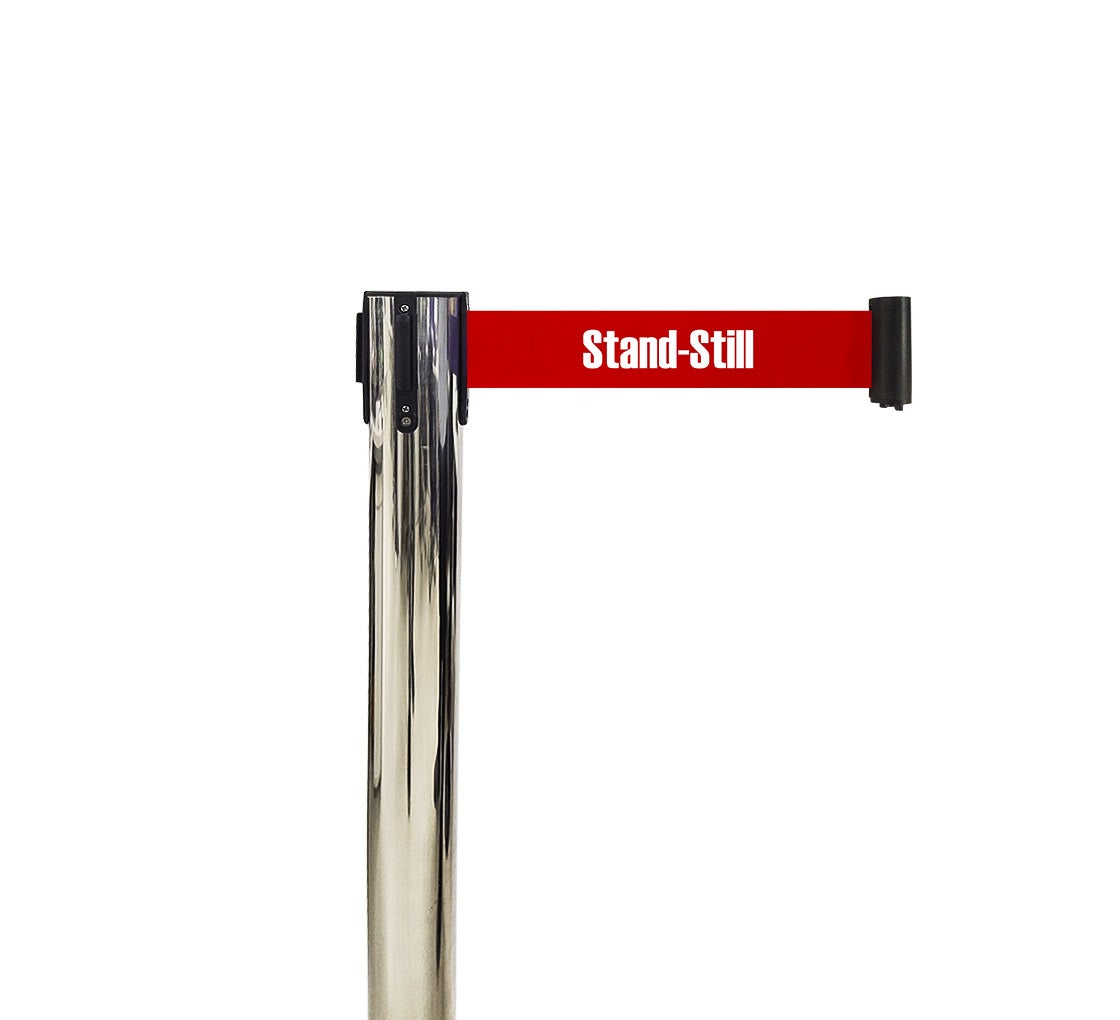
One of the most effective approaches to setting up event barricades is to establish clearly defined entry and exit zones. This helps manage incoming and outgoing traffic while minimizing bottlenecks. For trade shows and exhibitions, dedicated entry lanes ensure that visitors move smoothly through registration areas. Using retractable barriers in these zones allows flexibility, as they can be adjusted quickly based on crowd size. This adaptability is especially useful during peak hours when attendee flow may increase unexpectedly.
Clear pathways also improve safety, ensuring that emergency exits remain accessible at all times. A well-structured entrance not only enhances organization but also sets the tone for the entire event experience.
2. Design Efficient Queue Management Systems

Queues are inevitable at events, but poor planning can lead to frustration. A structured queuing system is one of the best ways to set up crowd control barriers while maintaining a positive attendee experience. Zigzag or serpentine layouts are commonly used to accommodate larger crowds within limited space. A crowd control stanchion with velvet rope is particularly effective in creating premium-looking queue systems for indoor events, product launches, or VIP areas. These setups add a touch of sophistication while guiding visitors in an orderly manner.
For high-traffic events, consider combining stanchions with signage to communicate wait times or directions. This ensures that attendees remain informed and engaged while waiting.
Read More: Why Exhibition Stands are Perfect for Brand Promotions
3. Segment Spaces for Better Flow
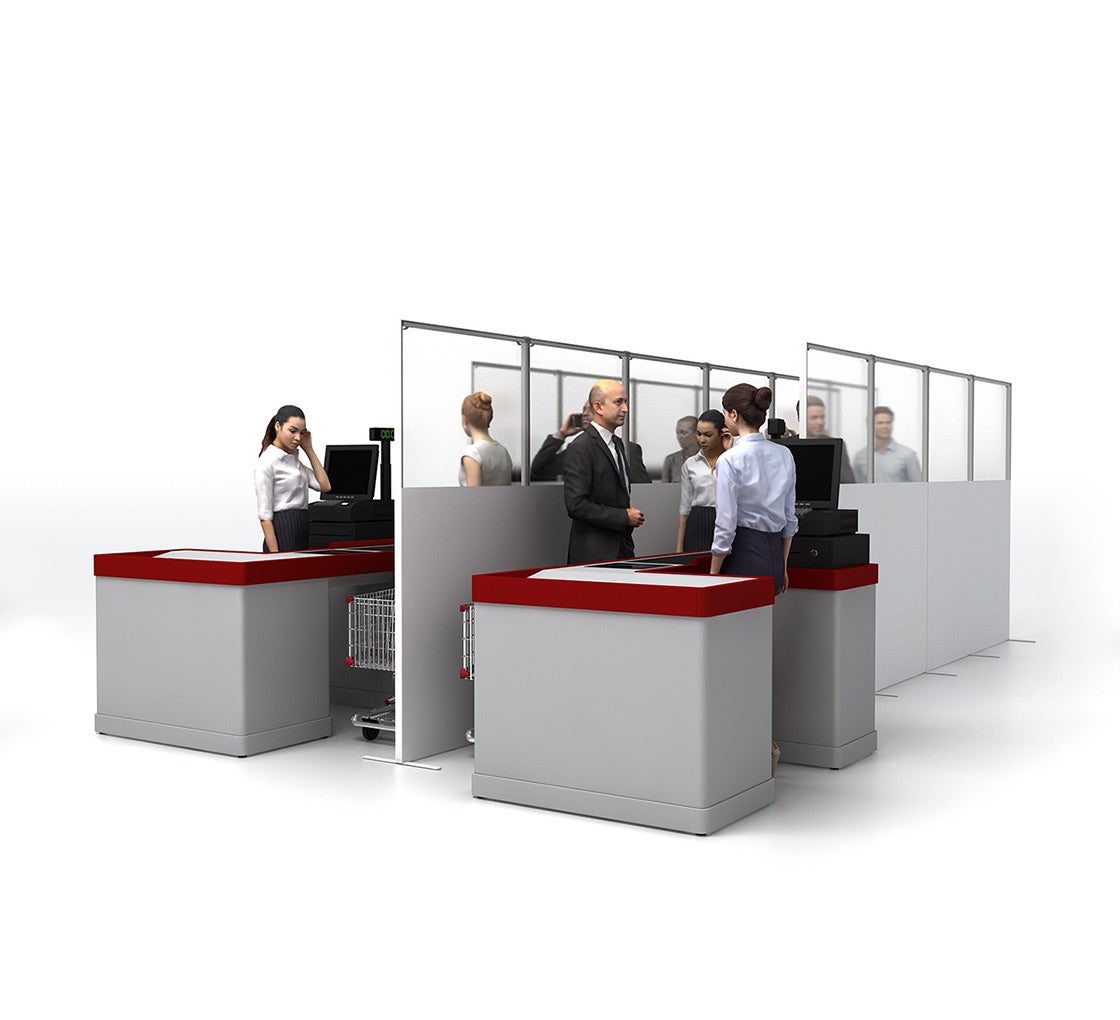
Dividing an event space into designated zones is another practical strategy for managing crowds. This method works well for exhibitions, trade shows, and festivals where multiple activities take place simultaneously. Using a crowd control interlocking barrier allows organizers to create sturdy partitions that define specific areas such as product displays, dining sections, or restricted zones. These barriers are particularly useful for outdoor setups where stability is important.
Segmentation also helps businesses guide visitors toward key attractions, ensuring that high-priority areas receive maximum visibility. By controlling movement patterns, exhibitors can create a more immersive and focused experience for attendees.
4. Optimize Outdoor Event Layouts
Outdoor events come with unique challenges, including weather conditions, uneven surfaces, and larger crowds. Choosing the right portable crowd control barriers for outdoor events is essential for maintaining flexibility and ease of installation. Lightweight yet durable barriers can be repositioned quickly to adapt to changing crowd dynamics. This is especially useful for festivals, markets, or pop-up events where layouts may need frequent adjustments.
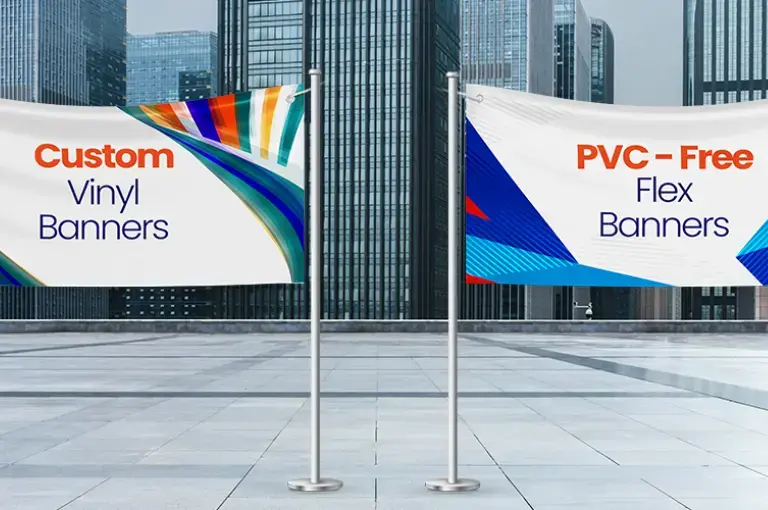
When working with outdoor crowd control barriers, ensure that they are placed securely to prevent movement caused by wind or heavy foot traffic. Proper spacing and alignment also contribute to a clean and professional appearance. For event planners looking for creative barrier setup ideas for festivals and markets, combining barriers with branded banners or directional signage can enhance both functionality and visual appeal. This approach turns a practical necessity into a marketing opportunity.
5. Integrate Branding with Barrier Systems
Crowd control barriers are not just functional tools; they can also support your branding efforts. Incorporating logos, colours, or promotional messages into barrier setups helps reinforce brand identity throughout the event space. A well-placed crowd control barrier can double as an advertising surface when paired with printed graphics or fabric covers. This is particularly effective at trade shows, where every visual element contributes to brand recall.
In addition, consistent branding across barriers, signage, and displays creates a cohesive environment that reflects professionalism and attention to detail. This integrated approach ensures that your event setup leaves a lasting impression on visitors.
Practical Installation Tips for Better Results

Executing a barrier plan effectively requires attention to detail during setup. Following proven crowd control barrier installation tips can help avoid common mistakes and ensure a smooth process.
- Measure the event space accurately before placing barriers
- Allow enough room for movement without overcrowding pathways
- Use stable connections for interlocking systems
- Test the layout before the event begins
- Ensure visibility of signage and directional cues
These simple yet effective steps can make a significant difference in how well your barrier system performs during the event.
Choosing the Right Barrier Type
Selecting the appropriate barrier type depends on the nature of your event and its specific requirements. Retractable systems are ideal for indoor use and controlled environments, while interlocking barriers provide durability for outdoor settings.
For premium events or formal gatherings, a crowd control stanchion with velvet rope adds elegance while maintaining order. On the other hand, portable solutions are better suited for dynamic environments where flexibility is key.
Understanding your audience, venue, and objectives will help you choose a barrier system that aligns with your overall event strategy.
Read More: Custom Billboard Printing: Tailored Solutions for Small Businesses and Local Ads
Conclusion
A well-planned barrier setup is essential for ensuring safety, improving flow, and enhancing the overall event experience. By focusing on the best ways to set up crowd control barriers, businesses can create organized and visually appealing environments that support both operational efficiency and branding goals.
From designing clear entry points to integrating branding elements, each step plays a role in shaping how visitors interact with your space. Whether you are managing a exhibition booth, organizing a large festival, or hosting a retail event, the right barrier strategy can make a significant impact.
By applying practical techniques and choosing the right tools, including portable crowd control barriers for outdoor events or retractable systems for indoor use, businesses can ensure seamless crowd management. Thoughtful planning and execution not only improve safety but also elevate the overall quality of the event.
In the end, effective crowd control is about creating a balance between structure and experience. With the right approach to setting up event barricades, businesses can deliver events that are both efficient and memorable.