Picking the right banner size plays a huge role in deciding whether customers step into your store, simply because your overall appeal is the best, or you just blend into the background and fade away. We’re living in such a fast-paced time where people are quick to make decisions, and everything happens at a glance. Your banner only has a few seconds to catch attention, share your message and invite customers in all at the same time. That’s why choosing the right size isn’t just a design choice; instead, it’s a smart business move that helps your brand stay memorable.
In this blog, we will be focusing on the unspoken importance and impact of banner sizes that work well for business owners, marketeers and exhibitors. This would help them maximise visibility and make the most of the available space without overwhelming your vicinity. Since choosing the right banner size isn’t confided to the idea of going big for the sake of it, instead, it’s about choosing sizes smartly that blend into the theme of your campaign effortlessly. This ultimate guide to banner sizes is precisely about that.
Popular Products

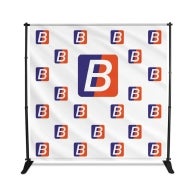
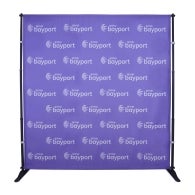
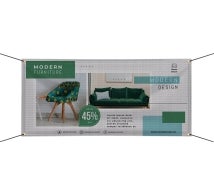
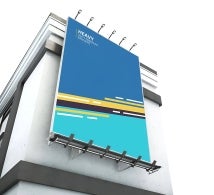




Why Banner Size Matters in Event Marketing
The right banner size helps passersby notice your brand faster and understand your message more clearly. Attendees scan your displays in a matter of seconds in busy exhibitions or crowdy spaces. If you choose a small banner size, chances are it can disappear in the background; but if it’s an oversized banner, it overwhelms the space and appears cluttered.
The right dimensions navigate through a customer’s perception, guide their eye movement and establish professionalism. Hence, for marketeers that want to understand what size banner should I choose, the answer always depends on where and how the banner has to be used.
Key Factors to Consider Before Choosing a Banner Size
Before one dive into the different dimensions of their banner, it is important to understand your campaign goal, as these factors determine the kind of impact your banner would eventually yield. Take all possibilities into account: where the banner has to be installed, how far would the viewers stand and how long does it have to stay put so that its relevance doesn’t fade.
Also, different events would always have a different set of sizing strategies; whether it’s a trade show, retail space, outdoor promotion or corporate campaign. Knowing how to pick the best banner size for your business is all about matching the banner scale to the expectations of the audience. Here are a few factors to keep in mind:
1. Banner Sizes for Trade Shows and Exhibitions

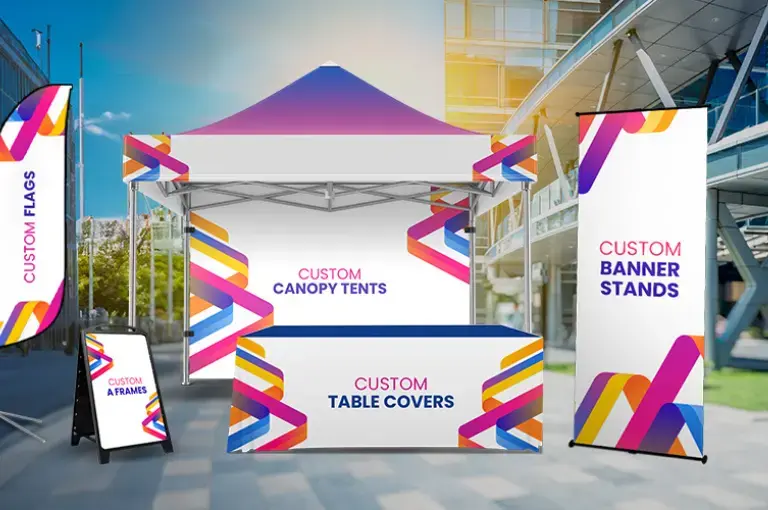
Trade show settings generally have limited booth space and heavy foot traffic. In such a case, banners outside the trade show vicinity would be ideal, as it doesn’t just guide visitors inside, but also give them a glimpse of what to expect. In order to adjust a banner inside when there’s compact layouts, marketeers can make use of vertical banners, as they use height instead of floor area.
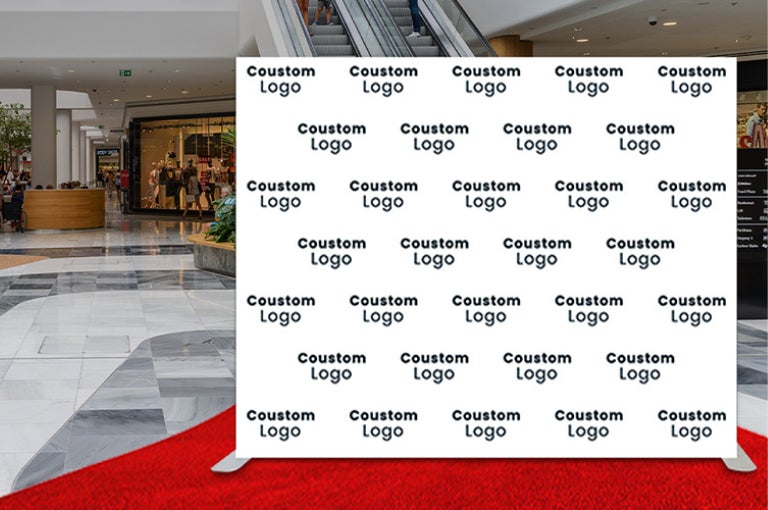
On the other hand, vertical banners work well as backdrops or booth headers when space allows. Roll-up retractable banners often perform best at sizes that remain readable from a few feet away without blocking sightlines. All in all, it is safe to say that choosing a custom banner size allows exhibitors to customise their dimensions to the layout of their booth, while keeping up with an appearance that stands out and looks professional.
2. Indoor vs. Outdoor Banner Size Considerations
When it comes to determining the banner size for indoor and outdoor settings, both of these aspects carry two very different approaches. A glimpse into an indoor vs. outdoor banner size guide is vital, as it gives you clarity on multiple aspects like lighting, viewing distance and the conditions that vary between these spaces.
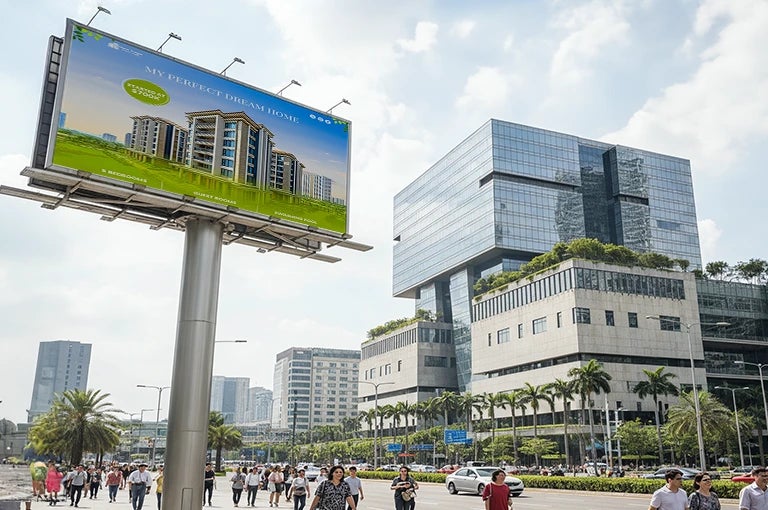
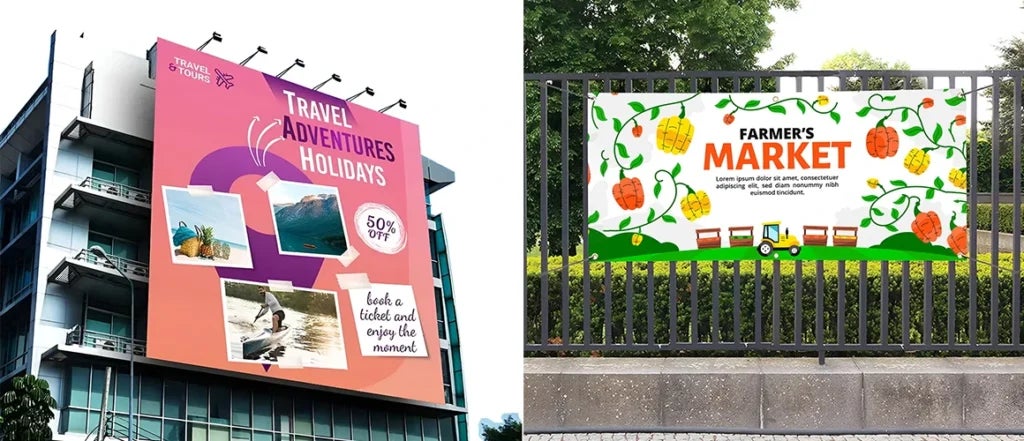
While indoor displays don’t have a viewing distance hassle, outdoor banners are a little tricky to navigate in that aspect. With wider viewing distances, outdoor placements require larger formats to compensate for wider viewing angles and movement. Selecting the best banner size for outdoor advertising solves this problem by simply staying stable where it is, even from great distances.
3. Banner Size Based on Placement and Viewing Distance

Placement is another thing that helps in better size selection. Wall-mounted banners often require broader dimensions to fill visual space, while freestanding displays benefit from balanced proportions that do not topple or crowd walkways. However, the farther the viewer, the larger a custom banner should be. One should also be mindful about the text and imagery; they shall be scaled proportionally so that excess white space is avoided. If all of this is taken into account beforehand, your banner would definitely leave an impact that stays etched in people’s minds.
4. Material Choice and Its Impact on Banner Size
Different materials behave differently at various sizes, which is why material selection should influence your sizing decision. Here are some clear examples:
- Vinyl banners are known best for their durability; they’re also great for medium and large formats. For a wide surface, they offer better clarity.
- Talking about fabric banners, they are mostly seen indoors, as the lighting and texture compliments the overall look and feel.
- Mesh banners are meant exclusively for outdoors where extreme wind is a concern. Since air passes freely through the gaps of the mesh, they become a more durable choice.
Matching material performance with banner dimensions ensures long-term effectiveness.
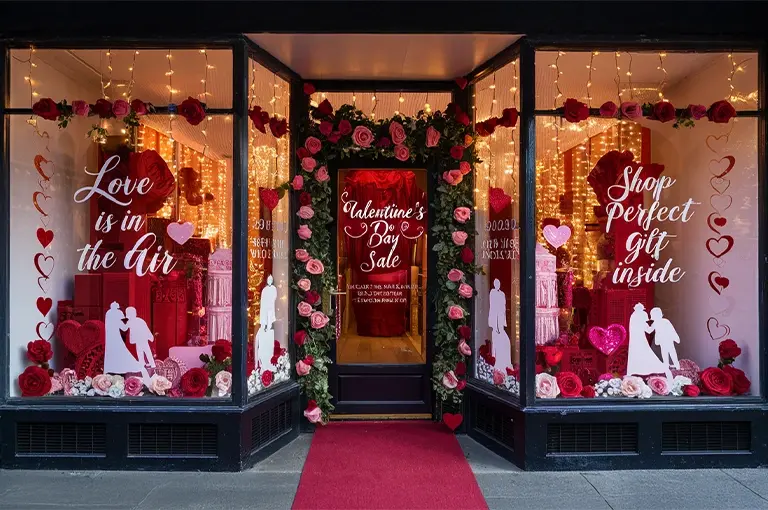
5. Banner Sizes for Retail Spaces
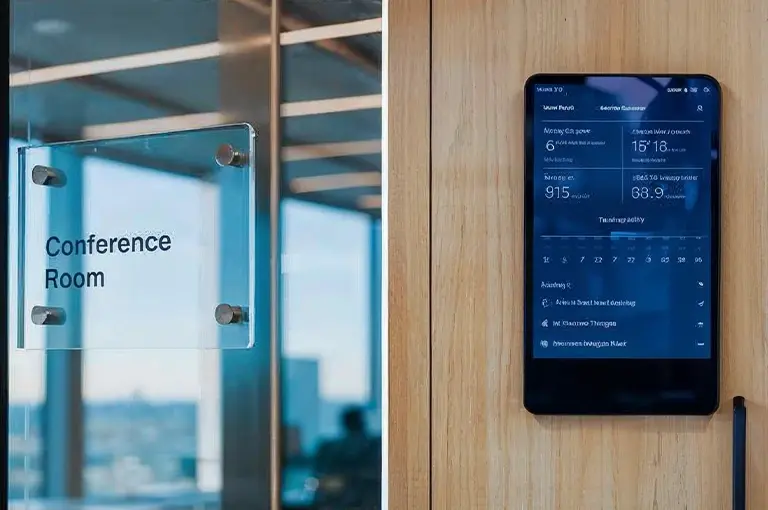
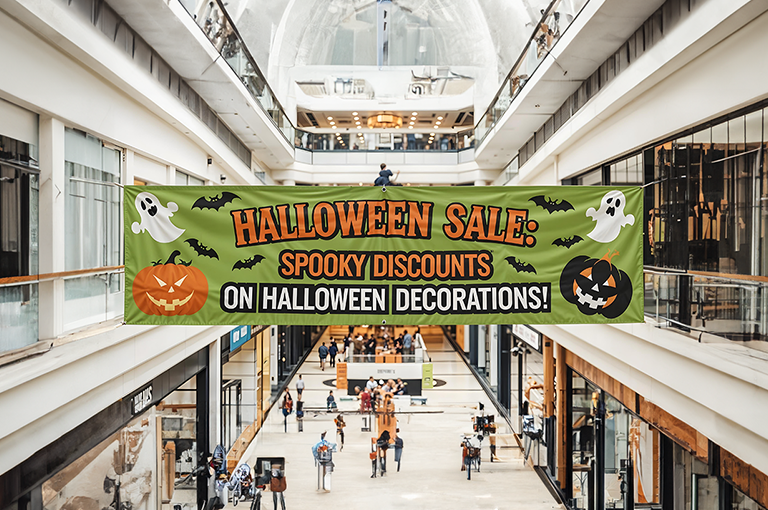
Indoor displays work best when one goes with precision. A well-sized indoor banner should compliment and align with walls, counters, enteryways, etc. without overpowering anything. When one has to place these banners in the inside of conferences, workshops and corporate lobbies, they ought to be precise about the proportions and the kind of brand info that would represent them.
Common Banner Size Mistakes to Avoid
There’s one specific fact that ends up becoming a deal breaker; one should never choose their banner size based on their budget. It should be more purpose-oriented, instead. While cost matters, choosing the right-sized banner never fails to leave an impact. Another issue is overcrowding designs to compensate for small dimensions, which reduces readability. Overlooking installation requirements can also lead to poor results. Always consider how the banner will be mounted and whether the size complements the hardware and surroundings.
Final Thoughts
So far, we have clearly understood that choosing the right size of banner is more of a strategic decision, and it isn’t always driven by aesthetics. One should consciously know their target audience, check-out every nook and cranny of their setting and use the right material. This makes your brand message and every brand element the right canvas to represent your brand to a wider audience. When these elements come together through thoughtful sizing, banners stop being a simple prop and start working as powerful visual communication tools that attract attention and subsequently drives action.
This ultimate guide to banner sizes has focused and spoken about the importance of aligning dimensions with your marketing goals and real-world display conditions. It doesn’t matter if it’s a trade show, an outdoor advertising campaign or revamped indoor space, choosing the correct banner size leaves a lasting impression, and that’s a fact!