

Every year the same scene plays out. A shopper walks down a busy street past ten stores shouting about discounts and remembers maybe one. The offer was not always better. It was just easier to notice. This year Black Friday lands on November 27 and Cyber Monday follows on November 30, which gives you about a month to get ready.
Put one clear offer on bold signage outside, guide people with simple displays inside, and repeat the same message online is the key to that one signage that gets remembered. This guide walks through practical ideas, quick comparisons, and a timeline you can start using today, whether you run a single shop or a small chain. No giant budget needed.
Popular Products


What Are the Best Black Friday Marketing Ideas for Physical Stores?
Start with the offer, then build the visuals around it. These ideas work for most local shops:
- Tease Early: Put a “Starts November 27” message up two weeks ahead so people plan their visit.
- Pick One Hero Deal: One strong offer is easier to remember than twenty small ones.
- Reward Loyal Customers: Give email subscribers or members early access.
- Add a Limit: Phrases like “first 50 customers” or “8 AM to noon” create real urgency.
- Bundle Smartly: Pair slow-moving items with popular ones.
- Partner Locally: Share a coupon with a neighboring business and send traffic both ways.
How Do You Design Black Friday Banners that People Actually Read?
Shoppers give a banner about three seconds. Use them wisely:
- Keep the headline under seven words.
- Use strong contrast, such as white on deep red or yellow on black.
- Make the discount the biggest element, bigger than your logo.
- Add the dates so urgency is obvious.
- Include one action, like “Walk in” or “Scan to shop”.
- Step back 15 feet and check that you can still read it.
Wide sale banners hung above the entrance or across the facade tell passing cars and walkers that something is happening. Vinyl handles November wind and rain well, so ask for reinforced hems and grommets.
Which Outdoor Signs Bring People Through the Door?
Buying decisions often start at street level, so give people a reason to stop.
- Start with the Entrance: Stand A-frame signs beside the door with a one-line offer and an arrow. They are light, easy to move, and simple to update each morning.
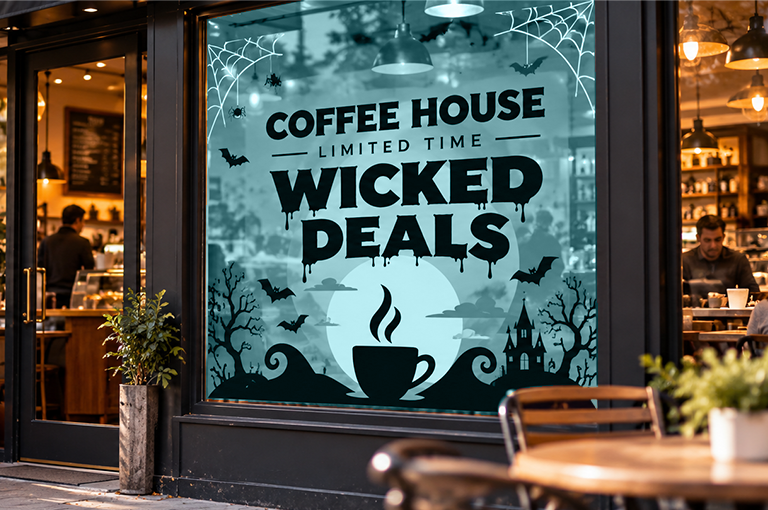
- Use Your Glass: Large window graphics let people read your deal without stepping closer. Keep the lower third clear so shoppers can still see products and staff inside.
- Plan the Evening: Darkness arrives early in November, and people notice light first. Custom LED neon signs with a short phrase like “Open Late” keep your storefront visible long after sunset.
How Can Retail Displays Guide Shoppers Once They Walk Inside?

Once inside, shoppers want direction fast. Clear in-store setups cut hesitation and save your team from answering the same question fifty times.
- Place the hero deal where it is visible from the door.
- Group items by price, such as “Under $20” and “Under $50”.
- Keep aisles open so people can move comfortably.
- Promotional signs at eye level near the product work like a quiet salesperson who never gets tired.
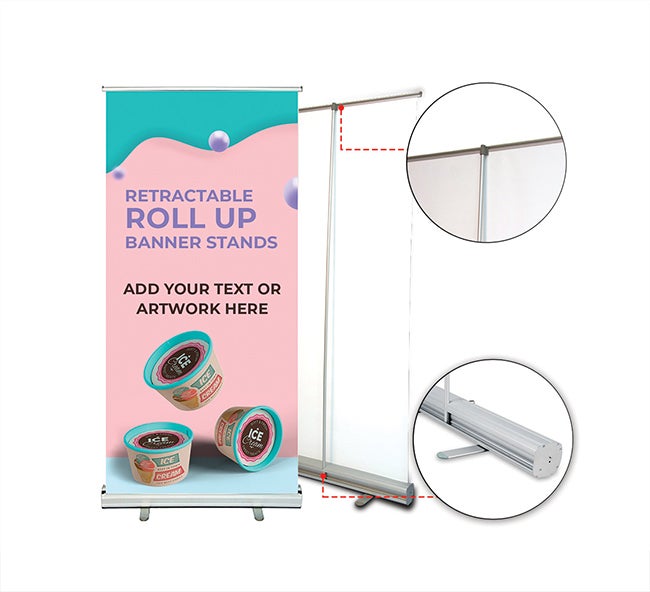
- Roll up banners suit entrances, checkout lanes, and pop-up counters because they set up in minutes and store flat after the season.
- Floor-level promotional displays, like gift bundles or clearance bins, also invite browsing and encourage add-on purchases.
Which Cyber Monday Marketing Ideas Work for Stores With an Online Presence?
Cyber Monday happens on screens, but your physical space can still support it:
- Run a flash sale with a visible countdown timer.
- Offer free shipping above a set order value.
- Send a reminder email on Sunday night.
- Offer buy online, pick up in store to bring foot traffic back.
- Share a one-day code on your social profiles.
Placing Cyber Monday banners at your counter or entrance can push walk-in customers toward a QR code that leads to your online offers, so both channels work together.
What Does This Look Like in a Real Shop?
Picture a neighborhood bakery on a narrow street. Last year the owner wrote an offer on a small board and foot traffic barely moved. This year the plan is simple: pavement signs with a bold “Free coffee with any box” message, a short countdown to Friday, and a QR code that points to Monday’s online pre-order. Same shop, same products. The difference is a message that can be read from across the street and stays consistent from Friday to Monday.
What is a Simple Timeline for Getting Signage Ready?
- Four Weeks Out: Lock your offer and dates. Order custom signs now so printing and delivery never become last-minute stress.
- Three Weeks Out: Approve artwork and check spelling and prices twice.
- Two Weeks Out: Put up teasers. Window decals work well here because they peel off cleanly when the season ends.
- One Week Out: Set up floor areas and brief your staff on the offers.
- Event Week: Check lighting, fix anything faded or loose, and keep a spare set of key pieces.
- After Cyber Monday: Take everything down, store it properly, and note what worked.
What Mistakes Should You Avoid?
- Too much text. If it needs a paragraph, it is not a sign.
- Mismatched offers. The price outside must match the price online.
- Missing dates. Without an end date, urgency disappears.
- Weak materials. Retail marketing signs that curl, peel, or fade reflect badly on your shop even when the deal is great.
- Waiting too long. Production and shipping slow down as the holiday gets closer.
Conclusion
Strong holiday campaigns come from clarity, not size. Pick one offer, say it in as few words as possible, and repeat it from the sidewalk to the checkout counter to the inbox. Order early, proofread twice, and test everything from a distance before the crowds arrive. Your customers are already deciding where they will spend this November. Choose your offer this week, finalise your design, and get your order placed so your store is the one that gets the attention.